Eschopper: Ultimate Electric Power Guide
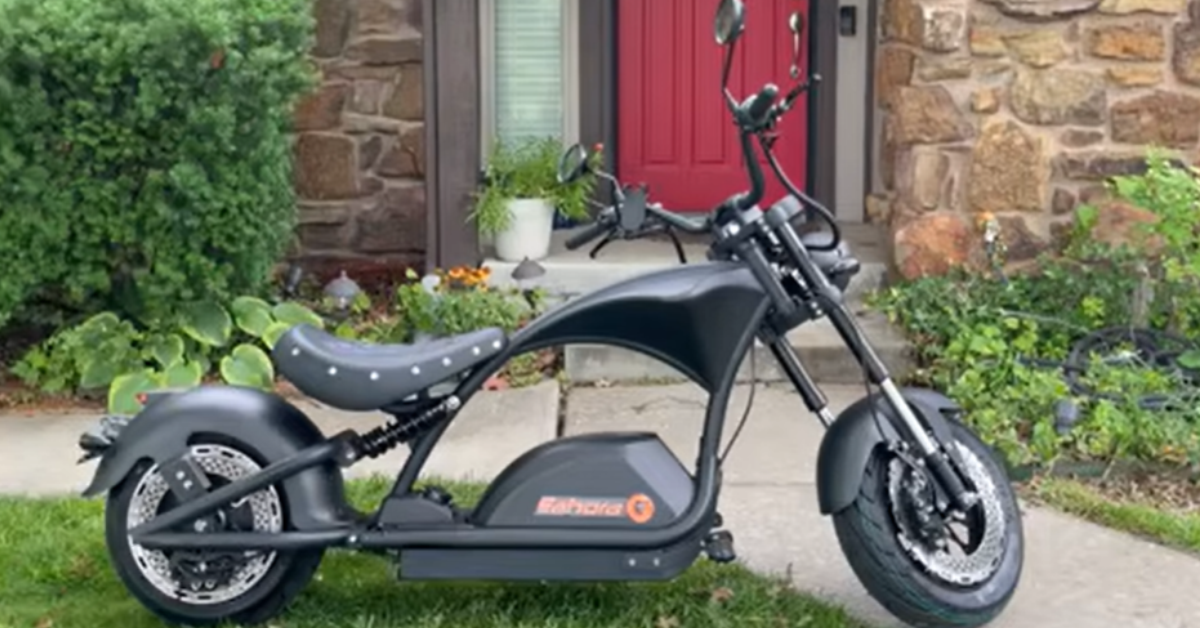
On this article, we discuss Eschopper, what an Eschopper is, what technology it uses, and whether Eschopper is the best choice for you. In simple terms, Eschopper is actually E-Chopper, an electric chopper-style bike or scooter that combines a classic chopper-inspired design with modern electric technology. In this guide, I will focus mainly on the technology behind these vehicles, including their batteries, electric motors, controllers, displays, charging systems, braking technology, tires, sensors, lighting, and other important components.
When I first started looking into electric chopper-style vehicles, I noticed that people often paid more attention to the appearance than the technology. The wide tires, low seat, large frame, and cruiser-inspired design immediately attract attention, but the real performance comes from what sits underneath that design. I learned that the battery, motor, controller, electrical wiring, drivetrain, and braking system work together as one system, and understanding that system is much more useful than simply looking at the vehicle’s appearance.
My aim here is to explain the technology in simple language without making the subject unnecessarily complicated. I will explain how electrical energy moves from the battery to the motor, how the controller manages that energy, why battery voltage and capacity matter, how motor power affects performance, why advertised range can change, and how charging technology works. I will also discuss smart displays, sensors, LED lighting, security systems, regenerative braking where available, maintenance, safety technology, and the future of electric chopper systems.
What Is an Eschopper?
An Eschopper, more accurately called an E-Chopper, is an electric chopper-style bike or scooter that uses a rechargeable battery and electric motor instead of a conventional gasoline engine. The word combines the electric concept with the chopper design, creating a vehicle that visually resembles a cruiser or chopper while using modern electric propulsion. Depending on the particular model, the vehicle can fall into a bicycle, moped, scooter, or motorcycle-style category, so the exact specifications always matter.
I noticed that the word itself can sometimes cause confusion because different manufacturers and sellers may describe their products differently. One electric chopper may include pedals and operate more like an electric bicycle, while another may use a large motor and motorcycle-style equipment. That means the name does not tell you everything. You need to examine the battery, motor rating, controller, maximum speed, brakes, tires, weight, charging system, and legal classification of the exact model you are considering.
The most interesting part of an Eschopper is the technology hidden behind its classic appearance. Instead of a fuel tank and combustion engine, the vehicle normally carries a battery pack, electronic controller, electric motor, charger, display, sensors, wiring, and other electrical components. These parts communicate and work together to convert stored electrical energy into movement. Once you understand that basic architecture, the rest of the technology becomes much easier to understand.
How Does Eschopper Technology Work?
The technology behind an Eschopper starts with the battery. The battery stores electrical energy until the rider needs it. When the rider activates the throttle or pedal-assistance system, the controller determines how much electrical power the motor should receive. The motor then converts that electrical energy into mechanical energy, which creates rotation and moves the wheel. The process happens electronically and extremely quickly, giving electric vehicles their characteristic smooth response.
From my experience studying electric transportation systems, I think the controller deserves more attention than it normally receives. Many people look at the motor first because manufacturers often advertise wattage prominently. However, the controller manages the relationship between the battery and motor. It controls current delivery and can influence acceleration, power modes, response, and system protection. A large motor paired with an unsuitable controller and battery would not automatically create a better riding experience.
The complete system can therefore be viewed as a connected chain. The battery provides energy, the controller manages that energy, the motor turns electrical energy into movement, and the mechanical system transfers that movement to the road. Sensors, displays, switches, lights, brakes, and charging equipment support the main system. When these components work together properly, the rider gets controlled electric propulsion without the mechanical complexity of a traditional combustion engine.
Battery Technology in an Eschopper
The battery is arguably the most important technology in an Eschopper because it determines how much electrical energy the vehicle can store. Most modern electric two-wheelers use lithium-based rechargeable batteries because they offer a useful balance between energy capacity, weight, and durability. Battery packs contain multiple individual cells connected together, along with electrical protection and management components that help monitor the pack.
I learned that simply seeing a battery described as “lithium” does not provide enough information. A buyer should look at voltage, amp-hours, and preferably watt-hours. Voltage describes the electrical potential of the system, while amp-hours indicate electrical charge capacity. Multiplying the two gives an approximate nominal energy capacity in watt-hours. For example, a 48-volt, 15-amp-hour battery has approximately 720 watt-hours of nominal energy capacity.
Battery capacity affects more than range. A larger battery can provide greater energy storage, but it can also add weight, increase cost, and require more time to recharge. A smaller battery may reduce vehicle weight and cost but could require more frequent charging. In my view, the best battery is not automatically the largest one. The better choice depends on how far you travel, how much weight you carry, how frequently you can charge, and how you plan to use the vehicle.
Understanding Battery Voltage
Battery voltage is one of the most important specifications to understand because it affects how the electrical system operates. Electric chopper systems may use different nominal voltage levels depending on their motor, controller, battery configuration, and intended performance. A higher-voltage system can support particular motor and controller designs, but voltage alone does not determine speed or overall performance.
I noticed that beginners sometimes assume a higher voltage automatically means a faster vehicle. That is too simplistic. The controller, motor design, gearing, wheel size, battery current capability, software limits, and vehicle weight all influence actual performance. Two vehicles can use similar voltage systems and still behave very differently because their complete electrical architectures differ.
Voltage also needs to match the rest of the electrical system. The battery, controller, motor, display, charger, and other components must be compatible. This is why replacing a battery with a different voltage should never be treated as a simple upgrade. An incompatible electrical system can damage components or create safety problems. Proper compatibility is much more important than chasing a larger number on a specification sheet.
Battery Capacity and Watt-Hours
Battery capacity is often expressed in amp-hours, but watt-hours can make comparisons easier. You can estimate nominal watt-hours by multiplying voltage by amp-hours. For example, a 48V 20Ah battery has approximately 960Wh of nominal capacity. That number gives you a more useful indication of stored energy than amp-hours alone because it considers the battery’s voltage.
My experience with comparing electric vehicles has shown me that watt-hours can help explain why two batteries with the same amp-hour rating may not provide the same amount of stored energy. A 36V 20Ah battery and a 48V 20Ah battery have different nominal energy capacities. However, the larger number does not automatically guarantee longer real-world range because motor efficiency, riding speed, terrain, rider weight, and controller settings also matter.
Battery capacity should therefore be considered alongside expected energy consumption. A heavier vehicle traveling quickly uphill will consume much more energy than a lighter vehicle moving slowly on flat pavement. This is why manufacturers’ range figures can differ from everyday results. A responsible buyer should treat published range as an estimate rather than a guaranteed distance.
Lithium Battery Chemistry
Modern electric chopper batteries can use different lithium-based chemistries. Lithium-ion battery packs are common because they can provide substantial energy without the extreme weight associated with some older battery technologies. Some manufacturers may use lithium iron phosphate, often called LFP or LiFePO4, which has different characteristics related to energy density, thermal behavior, lifespan, and weight.
I learned that battery chemistry involves trade-offs rather than one universally perfect choice. A battery designed around one chemistry may offer advantages in durability or stability, while another may provide greater energy density for a given weight. The quality of the cells, battery management system, construction, charging system, and thermal design also matter enormously.
The most important thing for a rider is to use the battery according to the manufacturer’s specifications. Do not use an unsuitable charger or modify the battery pack without qualified technical knowledge. Lithium batteries contain significant stored energy, so physical damage, inappropriate charging, poor wiring, or improper modification can create serious hazards. Good battery technology depends not only on the chemistry but also on correct design, protection, and use.
Battery Management System Technology
A battery management system, commonly called a BMS, plays an important role in many modern lithium battery packs. The BMS monitors electrical conditions within the battery and can help protect cells against situations such as overcharging, excessive discharge, or excessive current. It can also monitor individual cell groups and help maintain safer operation.
From my perspective, the BMS is one of those technologies that users rarely notice when everything works correctly. You simply ride the vehicle and charge Eschopper. However, the system is working in the background to monitor the battery. A properly designed battery pack combines cells, wiring, protective electronics, thermal considerations, enclosure design, and charging control rather than treating the battery as a simple box of energy.
A BMS does not make a damaged or poorly manufactured battery automatically safe. Overall battery construction still matters. Cell quality, connections, insulation, protection circuits, physical enclosure, manufacturing standards, and charger compatibility all contribute to safety. This is why buyers should consider the manufacturer’s reputation and technical documentation rather than focusing only on capacity.
Electric Motor Technology
The electric motor converts electrical energy from the battery into mechanical movement. Many modern electric two-wheelers use brushless DC motors because they provide efficient operation and require less routine mechanical maintenance inside the motor than traditional brushed designs. Depending on the model, the motor can be located in the front wheel, rear wheel, or connected through another drivetrain arrangement.
I noticed that motor location can influence the riding experience. A rear hub motor can provide a feeling of being pushed forward, while a front hub motor can produce a different steering and traction behavior. Mid-drive systems, where used, can transfer motor power through the bicycle’s drivetrain and may provide different handling and climbing characteristics. Each arrangement has advantages and compromises.
Motor performance depends on more than Eschopper advertised wattage. Torque, controller current, battery voltage, motor efficiency, wheel diameter, gearing, rider weight, terrain, and software limits all influence the result. This is why a simple statement such as “more watts equals better” does not tell the complete story. A well-matched motor and controller can provide smooth performance without unnecessary energy consumption.
Motor Torque and Acceleration
Torque describes the rotational force produced by a motor. For an electric chopper, torque matters because Eschopper influences how effectively the vehicle can accelerate and handle inclines. Electric motors can provide strong torque at low rotational speeds, which helps create the immediate response many riders associate with electric vehicles.
I found that torque becomes particularly noticeable when a vehicle starts from a stop or climbs a hill. A vehicle that feels comfortable on flat pavement may behave differently on an incline because the motor has to work harder against gravity. Rider weight and cargo also increase the required force. This is why real-world performance tests can provide information that a motor wattage number alone cannot.
Strong acceleration also increases the importance of braking and traction. A powerful electrical system needs tires that maintain suitable contact with the road and brakes that can reliably control the vehicle. The frame, fork, wheels, and other components should also match the vehicle’s intended performance. Good engineering means balancing power with control.
The Role of the Electronic Controller
The electronic controller acts as a central manager between the battery and motor. Eschopper receives information from the throttle, sensors, display, and sometimes other system components. It then regulates electrical current according to its programming and limits. In simple terms, the controller decides how much electrical energy should reach the motor at a particular moment.
In my opinion, the controller is one of the most important technologies for creating a smooth riding experience. If power delivery feels abrupt, the rider may find the vehicle difficult to control. A well-calibrated controller can provide progressive acceleration, appropriate current limits, and different riding modes. Eschopper can also communicate with other components to identify faults or protect the electrical system.
Controller design also affects efficiency. If the system constantly demands unnecessary current, the battery can drain faster and electrical components can experience greater stress. Modern controllers can use sophisticated electronic switching to control motor operation efficiently. This technology allows an electric vehicle to respond quickly while maintaining control over energy delivery.
Throttle Technology
The throttle provides the rider with a way to request motor power. Depending on the design, an electric chopper may use a thumb throttle, twist throttle, or another electronic control. When the rider activates Eschopper, an electrical signal reaches the controller, which interprets that signal and adjusts motor output.
I noticed that throttle feel can differ substantially between electric vehicles. Some respond gently, while others provide a sharper response. The quality of the controller programming and throttle calibration affects this behavior. A smooth throttle can make low-speed maneuvering easier and can help the rider maintain predictable control.
Throttle technology should always work together with safety systems. The controller may include cut-off behavior associated with braking or other protective conditions. Riders should understand the controls before using the vehicle in traffic. Learning how the throttle behaves at different speeds can make the riding experience more comfortable and predictable.
Pedal-Assist Technology
Some electric chopper-style bikes include pedals and pedal-assistance technology. In this configuration, sensors detect pedal movement and send information to the controller. The system then provides electric assistance according to the selected mode. This can allow the rider to combine human effort with electric propulsion.
My view is that pedal assistance can make an electric chopper more flexible for certain users. Instead of depending entirely on the throttle, the rider can contribute physical effort while the motor provides additional support. The amount of assistance can often be changed through different riding modes, although the exact system varies by model.
Different pedal-assist sensors can produce different riding characteristics. Cadence sensors generally detect whether the pedals are turning, while torque sensors can measure how much force the rider applies. Torque-based systems can feel more natural because assistance responds to the rider’s effort. However, they can also increase system complexity and cost.
Charging Technology
Charging technology allows electrical energy to move from an external power source into the battery. The charger converts and regulates electricity into the form required by the battery pack. The battery management system and charging electronics help control the process and protect the battery from unsuitable conditions.
I learned that charging time depends on several variables, including battery capacity, charger output, battery condition, charging temperature, and the manufacturer’s charging strategy. A large battery may take longer to charge than a smaller one, while a higher-output charger can reduce charging time if the battery system supports Eschopper. However, faster charging is not automatically better for every battery because charging characteristics must match the cells and BMS.
Charging convenience can have a major effect on ownership. A removable battery can allow charging indoors when the vehicle remains outside, while an integrated battery may require bringing the entire vehicle near an outlet. Before buying, I would consider where the vehicle will normally be stored and whether charging access will be convenient.
Range and Energy Efficiency
Range describes how far the vehicle can travel using the energy stored in Eschopper battery. Although manufacturers often provide a range figure, real-world range can vary substantially. Speed, rider weight, hills, wind, road surface, tire pressure, temperature, acceleration, battery age, and riding mode all influence energy consumption.
In my experience, speed deserves particular attention. Air resistance becomes increasingly important as speed rises, so riding faster can consume substantially more energy. Frequent hard acceleration can also increase consumption. A rider traveling steadily at moderate speeds may achieve much better efficiency than someone constantly accelerating and braking.
Energy efficiency also depends on the mechanical side of the vehicle. Tire pressure, wheel bearings, drivetrain condition, brake drag, and overall vehicle weight can influence how much energy is required to maintain movement. This demonstrates why the battery and motor should never be considered separately from the rest of the machine.
Regenerative Braking Technology
Some electric vehicles can use regenerative braking, a system that allows the motor to operate as a generator during certain deceleration conditions. Instead of converting all braking energy into heat through mechanical brakes, the electrical system can recover a portion of energy and send Eschopper back toward the battery.
I think regenerative braking sounds more dramatic than Eschopper usually feels in everyday riding. It can improve efficiency under suitable conditions, but it does not magically recharge the battery during normal riding. The amount of recovered energy depends on vehicle design, speed, battery state, terrain, and braking behavior. Mechanical brakes remain important because regenerative braking alone may not provide all the stopping performance required.
The availability and strength of regenerative braking depend on the motor controller and vehicle architecture. Some systems may provide noticeable motor resistance when the throttle is released, while others may offer limited regeneration. Riders should therefore treat regenerative braking as a supporting technology rather than a replacement for properly maintained mechanical brakes.
Digital Display Technology
Modern electric choppers often use digital displays to provide information about the vehicle. Depending on the model, the display may show speed, battery level, distance, riding mode, voltage, power information, error codes, or other system data. The display communicates with the controller and other electronic components.
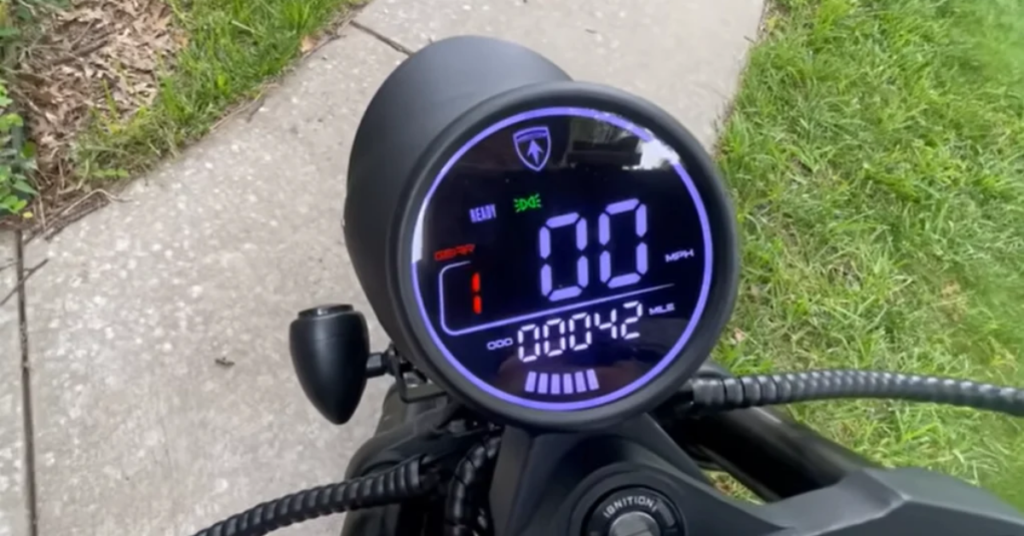
I noticed that a clear display can be more useful than an overly complicated one. During riding, the rider needs to understand important information quickly. Battery status and speed are often more useful than dozens of technical readings. A well-designed interface should provide useful information without creating unnecessary distraction.
Some advanced systems may also provide connectivity features, navigation support, or diagnostic information. These technologies can make electric transportation more convenient, but they also add electronics that may require maintenance or replacement. Reliability should remain more important than having the largest possible screen or the longest list of digital features.
LED Lighting Technology
LED lighting has become common in modern electric vehicles because LEDs can provide strong illumination while consuming relatively little electrical power. An electric chopper may use LED headlights, rear lights, brake lights, turn indicators, and decorative lighting depending on Eschopper design and legal equipment.
From my perspective, lighting is not merely an appearance feature. Good lighting helps the rider see and helps other road users notice the vehicle. Headlight design, beam direction, brightness, reflectors, and rear visibility all matter. A stylish light is useful only when it also provides appropriate visibility.
LED systems can also integrate with electronic controls. For example, the controller or lighting module can activate brake lights when the brake system detects braking. Turn indicators may use electronic switches, and displays can sometimes show lighting status. These small integrations demonstrate how mechanical and electronic technologies increasingly work together.
Sensor Technology
Sensors allow an electric vehicle to understand what the rider and mechanical system are doing. Depending on the model, sensors may monitor pedal movement, wheel speed, motor position, brake activation, temperature, battery conditions, or other parameters. The controller uses this information to manage operation.
I learned that sensors are particularly important in systems with pedal assistance and brushless motors. Motor position sensors can help the controller determine how to energize the motor windings correctly. Pedal sensors can tell the controller when the rider is pedaling. Brake sensors can signal that motor assistance should stop during braking.
Sensor technology can also support diagnostics. If the controller detects an unusual signal or electrical condition, Eschopper may display an error code or enter a protective state. This can help technicians identify problems. However, a fault code does not always explain the complete cause of a problem, so proper diagnosis still matters.
Wiring and Electrical Connections
The wiring system connects the battery, controller, motor, display, throttle, sensors, lights, charger, and other electronic components. Good wiring requires appropriate conductor sizes, secure connectors, insulation, routing, and protection from moisture and mechanical damage.
I noticed that wiring receives very little attention in product photographs, yet Eschopper can strongly affect reliability. A poorly routed cable can rub against a moving component, while a loose connector can cause intermittent electrical problems. Water exposure can also create corrosion if connectors and enclosures do not provide suitable protection.
For this reason, electrical modifications should not be treated casually. Changing connectors, increasing current, installing a different controller, or adding an incompatible battery can affect the entire system. Electrical compatibility is more complicated than simply matching a plug. Voltage, current, connector design, communication protocols, protection systems, and component ratings can all matter.
Water Resistance and Electrical Protection
Electric vehicles often need some degree of protection against rain, splashes, dust, and road moisture. Manufacturers may provide water-resistance information for particular components, but users should not assume that an electric vehicle is completely waterproof. Battery enclosures, displays, connectors, controllers, and motors can have different levels of environmental protection.
My experience with electronic products has taught me that “water-resistant” and “waterproof” should never be treated as identical terms. A component designed to tolerate normal splashes may not tolerate pressure washing, deep water, or prolonged exposure. Water entering an electrical enclosure can create corrosion or electrical faults even if the problem does not appear immediately.
Riders should therefore follow the manufacturer’s environmental recommendations. Avoid unnecessary exposure to heavy water, do not pressure-wash sensitive electrical areas, and inspect damaged enclosures or connectors. Proper storage also matters because repeated exposure to moisture can affect both mechanical and electrical components over time.
Eschopper Thermal Management
Electrical components produce heat during operation. The battery, controller, and motor can all generate heat, especially when the system operates under high load. Thermal management helps prevent excessive temperatures that could reduce efficiency, shorten component life, or trigger protective controls.
I noticed that heat becomes particularly important when riding uphill, carrying heavier loads, or demanding high power for extended periods. The motor may work harder, while the controller sends greater current and the battery experiences higher electrical demand. Good component design needs to account for these conditions.
Some systems rely on passive cooling through the motor housing or controller enclosure, while more complex systems may use additional thermal management techniques. The rider should follow the manufacturer’s load and operating recommendations rather than assuming that a powerful motor can operate at maximum output indefinitely.
Frame and Mechanical Technology
Although the focus of electric transportation often falls on electronics, the frame remains fundamental. The frame supports the battery, motor system, rider, wheels, suspension, and other components. Chopper-style designs can use longer frames and wider components than conventional bicycles, creating a distinctive appearance and riding position.
I learned that frame engineering becomes especially important as electrical power and vehicle weight increase. A heavier, faster vehicle requires appropriate structural strength and braking capability. The frame, fork, wheels, and steering components need to work together. A large motor does not compensate for poor mechanical engineering.
The frame also influences battery placement. Designers may place the battery inside the frame, above the rear wheel, under the seat, or in another location. Battery placement affects weight distribution, handling, appearance, and accessibility. Good design tries to place heavy components where they contribute to stable handling without making maintenance unnecessarily difficult.
Eschopper Tire Technology
Wide tires are a recognizable part of many electric chopper designs. They can provide a broad contact patch and contribute to the cruiser-style appearance. Tire construction, tread pattern, width, diameter, and pressure all influence handling and energy consumption.
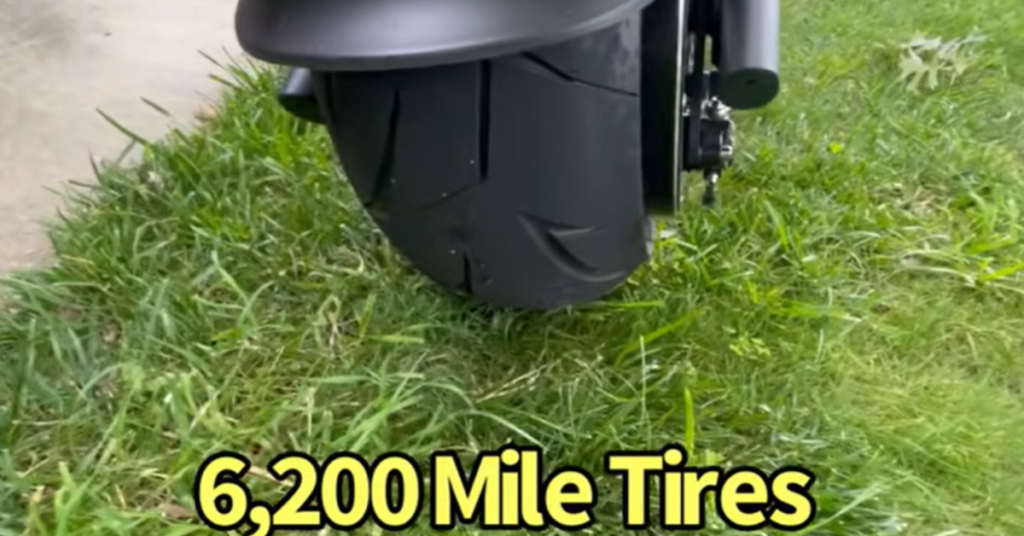
In my view, tire pressure is particularly important because Eschopper affects both comfort and efficiency. An excessively low pressure can increase rolling resistance, while excessive pressure can reduce comfort and alter traction characteristics. Riders should follow the tire manufacturer’s recommended range rather than copying pressure settings from another vehicle.
Tires also determine how the vehicle interacts with different surfaces. A street-oriented tire may perform differently from a mixed-surface design. Wet roads, gravel, sand, loose surfaces, and uneven pavement each create different traction conditions. Wide tires can help in some situations, but they do not eliminate the need for careful riding.
Eschopper Brake Technology
Electric choppers can use mechanical disc brakes or hydraulic disc brakes depending on the model. Disc brakes work by pressing brake pads against a rotor attached to the wheel. Hydraulic systems use fluid pressure to transmit force from the brake lever to the caliper, while mechanical systems use cables.
I consider braking technology one of the most important specifications because electric power can create significant speed and momentum. A vehicle needs braking equipment appropriate to Eschopper weight and intended performance. Brake condition, tire grip, rider reaction, road surface, and vehicle load all influence stopping behavior.
Brake sensors can also interact with the electrical controller. When the system detects braking, Eschopper may cut motor assistance to help prevent the motor from continuing to drive the wheel. This illustrates how modern electric vehicles combine mechanical and electronic systems. The brakes remain a physical stopping system, while electronics can provide additional control.
Security and Anti-Theft Technology
Some electric chopper models include electronic alarms, key systems, locking mechanisms, or other anti-theft features. These technologies can make unauthorized use more difficult, although no electronic system guarantees complete theft protection.
I noticed that security should be considered at the same time as battery design. A removable battery can be convenient for charging, but Eschopper also needs secure handling and storage. Integrated batteries may reduce the number of removable components but can make charging less flexible. The best configuration depends on where and how the vehicle will be stored.
Physical security remains important even when electronic features are present. Secure parking, appropriate locks, and sensible storage can complement electronic systems. Technology works best when it forms part of a broader security approach rather than being treated as a complete solution.
Maintenance of Eschopper Technology
Maintaining an Eschopper involves both electrical and mechanical care. Riders need to monitor battery condition, charging equipment, wiring, connectors, displays, lights, brakes, tires, suspension, steering, wheels, and other components. Electric propulsion may reduce some engine-related maintenance compared with gasoline vehicles, but Eschopper does not remove maintenance completely.
From my experience researching electric vehicles, one of the biggest mistakes is assuming that the absence of an engine means there is nothing to maintain. Tires still wear, brake pads still need inspection, bearings can develop problems, and electrical connections can become damaged. Regular inspection helps identify problems before they become more serious.
Electrical repairs deserve particular caution. Batteries, controllers, and wiring can carry substantial electrical energy. If a component requires internal repair or the battery shows physical damage, overheating, swelling, or another unusual condition, qualified service is the safer choice. Do not experiment with high-current electrical modifications simply to increase performance.
How Technology Affects Riding Comfort
Technology affects comfort in ways that may not be obvious. Battery placement changes weight distribution, motor response influences acceleration smoothness, suspension affects how the vehicle handles rough surfaces, and tire design influences vibration and traction. The seat, handlebars, frame geometry, and foot position then determine how the rider interacts with the vehicle.
I noticed that comfort is highly personal. A riding position that feels relaxed to one rider may feel awkward to another. A heavy vehicle may feel stable once moving but difficult to maneuver while parked. Wide tires may improve the feel on some roads but increase rolling resistance. This is why specifications should support, rather than replace, an actual assessment of fit and usability.
The best technology is often technology that the rider does not have to think about. Smooth motor control, reliable braking, predictable steering, a clear display, stable battery performance, and comfortable suspension can make the vehicle feel natural. Good engineering should reduce unnecessary complexity from the rider’s perspective.
Technology Behind Everyday Efficiency
Efficiency means using electrical energy effectively to achieve useful movement. An electric chopper can consume less energy when Eschopper maintains moderate speeds, avoids unnecessary acceleration, uses suitable tire pressure, and operates with properly maintained mechanical components. Motor efficiency and controller programming also contribute.
My experience with electric transportation research has shown me that rider behavior can have a surprisingly large effect on range. Rapid acceleration followed by heavy braking wastes energy that could have been avoided through smoother riding. Carrying unnecessary weight and riding against strong wind also increases energy consumption.
The electrical system and mechanical system therefore work together to determine efficiency. A high-capacity battery cannot fully compensate for inefficient operation. Likewise, an efficient motor cannot eliminate the energy cost of excessive speed. The best results come from matching battery capacity, motor output, vehicle weight, riding conditions, and rider habits.
Eschopper Technology Compared With Gasoline Choppers
The biggest technological difference between an Eschopper and a conventional gasoline chopper is the propulsion system. A gasoline vehicle uses combustion to release energy from fuel, while an electric vehicle stores electrical energy in a battery and uses a motor to produce movement. This creates significant differences in mechanical complexity, sound, energy delivery, maintenance, and refueling.
I find the electric architecture especially interesting because Eschopper removes many components associated with combustion engines. There is no conventional fuel tank, exhaust system, spark plug, or engine oil system in the same sense as a gasoline motorcycle. Instead, the vehicle relies on batteries, electronics, motors, and charging equipment. This changes the type of maintenance the owner performs.
The electric approach also creates a different riding character. Electric motors can deliver torque quickly and operate quietly. However, the battery creates Eschopper own limitations, especially around charging time, weight, capacity, and replacement cost. Neither system is perfect; they simply use different technologies to solve the problem of transportation.
Is Eschopper Technology Reliable?
The reliability of an Eschopper depends on the quality of Eschopper individual components and how well those components work together. Battery cells, BMS design, motor quality, controller construction, wiring, connectors, frame quality, brakes, suspension, and manufacturing standards all contribute to reliability.
I learned that a vehicle can have impressive specifications and still provide a disappointing ownership experience if the components lack quality or support. A large battery is not enough if the charger fails frequently. A powerful motor is not enough if the controller overheats. A smart display is not useful if replacement parts are unavailable.
This is why I would consider manufacturer support, warranty coverage, parts availability, and technical documentation when judging reliability. A good product should not only work when new; it should remain serviceable throughout Eschopper expected ownership period. Reliability is a combination of design, manufacturing, maintenance, and support.
Is an Eschopper the Best Choice for You?
An Eschopper may be a good choice if you want electric propulsion combined with chopper-inspired styling, comfortable cruising, and modern electronic technology. Eschopper can work particularly well for short or moderate trips where charging is convenient. The exact suitability depends on the vehicle’s specifications and the rider’s environment.
In my opinion, the word “best” should always be connected to a specific purpose. A lightweight electric bicycle might be better for someone who needs to carry a vehicle upstairs. A conventional scooter might be better for someone who prioritizes compact storage. A legally compliant motorcycle may be more appropriate for certain longer road journeys. The right choice depends on the actual use case.
Before choosing, I would compare battery capacity, motor output, range, charging time, weight, brakes, tire design, suspension, storage requirements, warranty, parts availability, and legal classification. I would also think about where the vehicle will be charged and stored. If these factors fit your lifestyle, an electric chopper can be an enjoyable and practical option.
Future Technology in Electric Chopper Design
Future Eschopper technology will likely focus on improving battery energy density, charging convenience, motor efficiency, controller intelligence, and component durability. Manufacturers may also develop lighter battery packs, improved displays, better diagnostic systems, and more advanced security features.
I believe the most useful improvements will not necessarily involve simply increasing top speed. Better batteries that last longer, weigh less, and maintain performance over many charging cycles could have a much greater effect on everyday ownership. Efficient motors and intelligent controllers could also provide better range without requiring enormous battery packs.
Connectivity may also become more common. Future vehicles could provide more detailed battery monitoring, fault diagnostics, navigation, theft alerts, and maintenance information. However, I think reliability should remain the priority. Technology should make the vehicle easier and safer to understand rather than adding unnecessary complexity.
What Should You Check Before Buying?
Before buying an Eschopper, start with the technical specification rather than the appearance. Check battery voltage, amp-hour capacity, watt-hour capacity, motor rating, controller specifications where available, estimated range, charging time, maximum load, brake type, tire dimensions, weight, and dimensions.
I would also check whether the battery is removable, what charger the manufacturer supplies, whether replacement batteries are available, and whether replacement electrical components can be sourced. Warranty coverage deserves careful attention too. A vehicle with strong technical support can provide more confidence than a cheaper product with unclear documentation.
Finally, confirm the vehicle’s legal classification in your area. Motor power, maximum speed, pedal configuration, equipment, and intended use can affect legal requirements. Do not assume that the term “electric bike” or “E-Chopper” automatically means the vehicle has the same legal status everywhere.
Conclusion
The technology behind an Eschopper is much more interesting than Eschopper appearance alone suggests. An electric chopper combines a rechargeable battery, battery management system, controller, electric motor, throttle or pedal-assist system, sensors, display, charging technology, lighting, brakes, tires, wiring, and mechanical components into one transportation system.
I think the battery and controller are two of the most important technologies to understand because they determine how electrical energy moves through the vehicle. The motor then converts that electrical energy into movement, while sensors and electronic controls help regulate the system. Mechanical components such as tires, brakes, suspension, wheels, and frame construction complete the technology package.
What I learned while researching this subject is that no single specification can tell you whether an electric chopper is good. A large motor does not automatically mean a better vehicle, and a large battery does not automatically guarantee excellent range. Good performance comes from balance between electrical capacity, motor efficiency, controller programming, mechanical design, safety equipment, and the rider’s actual needs.
If you are considering an electric chopper, look beyond the stylish design and understand the technology underneath Eschopper. Check the battery, BMS, motor, controller, charging system, brakes, tires, sensors, display, wiring, warranty, replacement parts, and legal requirements. That approach gives you a much clearer picture of what you are actually buying.
Frequently Asked Questions About Eschopper Technology
What is Eschopper actually called?
Eschopper is commonly used to refer to an E-Chopper, meaning an electric chopper-style bike or scooter. Eschopper combines chopper-inspired design with battery-powered electric propulsion. The exact specifications vary between models, so the technical details should always be checked individually.
What battery technology does an Eschopper use?
Many modern electric chopper-style vehicles use rechargeable lithium-based battery packs. The exact chemistry, voltage, capacity, BMS, and construction vary by model. Battery watt-hours can help you understand the approximate amount of stored electrical energy.
Does an Eschopper use a powerful motor?
Motor power varies significantly between models. Some electric chopper-style bikes use relatively modest motors, while other designs use much larger motors. Motor wattage should be considered alongside battery capacity, controller specifications, torque, vehicle weight, brakes, and legal classification.
How does the controller work?
The controller manages electrical power between the battery and motor. Eschopper interprets signals from the throttle, sensors, and other components and regulates current according to its programming. The controller can influence acceleration, riding modes, motor response, and electrical protection.
Is Eschopper technology suitable for everyday use?
Eschopper can be suitable for everyday use when the specific vehicle matches the rider’s range requirements, charging access, road conditions, storage needs, safety requirements, and local laws. The best choice depends on the exact model and the rider’s intended use rather than the name alone.
Final Thoughts
An electric chopper represents an interesting combination of traditional styling and modern electrical engineering. Instead of relying on a gasoline engine, Eschopper uses stored electrical energy, electronic control, and an electric motor to create movement. That fundamental change allows manufacturers to rethink how a chopper-style vehicle operates while retaining much of its distinctive visual character.
My final view is that the technology deserves more attention than the styling. When you understand the battery, BMS, controller, motor, sensors, charging system, display, brakes, tires, wiring, and thermal management, you can make a much more informed decision. These components determine the real experience far more than a photograph or advertising phrase.
For anyone researching this category, the smartest approach is to ask simple technical questions: How large is the battery? What motor does Eschopper use? How does the controller manage power? What is the realistic range? How long does charging take? What brakes and tires are installed? How easy is maintenance? What support does the manufacturer provide? And, most importantly, is the exact vehicle legal and suitable for the roads where you intend to use it?
Once those questions have clear answers, you can decide whether an electric chopper fits your needs. The technology continues to develop, and future improvements in batteries, controllers, motors, charging systems, diagnostics, and safety equipment could make this category even more capable. For now, understanding the technology is the best way to look past the appearance and judge the vehicle for what Eschopper really is: a carefully integrated electric transportation system.